


B12 Vitamin Shots Austin
COLD PLUNGE AUSTIN
ICE BATH & COLD PLUNGE
TWO PRIVATE COLD PLUNGE AND INFRARED SAUNA + RED LIGHT THERAPY ROOMS AVAILABLE. LAVA ROOM OR JUNGLE ROOM!
Take your cryotherapy and thermogenesis to the next level with 43 degree water! Enjoy our serene wellness escape as you test your mental + physical discipline and earn access to elite health benefits. Two private plunges available! READ MORE HERE
SINGLE SESSIONS
NON-MEMBER $39
MEMBERS $25
PACKAGES & MEMBERSHIPS AVAILABLE
CALL 512-522-0221 FOR YOUR SESSION!
LOCATED INSIDE CRYO BODY WORKS AT
3501 HYRIDGE DRIVE AUSTIN TX 78759
What is Cold Plunge Therapy?
Cold plunge therapy involves immersing your body in cold water, typically between 38-55°F, for 2-5 minutes. Unlike cryotherapy which uses cold air, cold plunge involves direct water contact and full-body immersion up to your shoulders.
The practice has Nordic roots dating back centuries, but modern interest has exploded thanks to researchers like Dr. Andrew Huberman and practitioners like Wim Hof. Science now validates what cold water enthusiasts have long claimed: deliberate cold exposure triggers profound physiological and psychological benefits.
When you enter cold water, your body initiates a "cold shock response." Blood vessels constrict, driving blood to your core. Your nervous system fires, releasing massive amounts of norepinephrine (200-300% increase) and dopamine (up to 250% elevation). These neurotransmitters create mental clarity, elevated mood, and sustained energy lasting for hours after you exit the water.
Benefits of Cold Plunge
Accelerated Recovery
Cold water immersion reduces muscle soreness and speeds recovery after intense exercise. The cold constricts blood vessels, reducing swelling and inflammation in damaged tissue. Athletes from CrossFit competitors to marathon runners use cold plunge to maintain their training schedule and perform at their peak.
Reduced Inflammation
Cold exposure triggers a systemic anti-inflammatory response. Vasoconstriction reduces swelling throughout your body, while the subsequent rush of blood when you rewarm helps flush inflammatory metabolites. For those dealing with chronic inflammation, cold plunge offers a drug-free intervention.
Increased Mental Clarity
The norepinephrine spike you experience during cold immersion dramatically sharpens focus and attention. This isn't a subtle effect—it's a powerful cognitive boost that many compare to the clarity of optimal caffeine dosing, without the crash. The effect lasts for hours after your session.
Improved Mood and Energy
The dopamine increase from cold exposure is remarkable: up to 250% elevation, sustained for hours. This is comparable to the dopamine release from certain medications—but natural and repeatable. Many clients use cold plunge as a morning practice to set their mood and energy for the day.
Enhanced Immune Function
Regular cold exposure has been shown to increase white blood cell count over time. Your immune system adapts to the stress, building resilience. For those focused on building immunity, cold plunge is a cornerstone practice.
Better Stress Resilience
Cold water forces you to manage acute stress in real time. You learn to control your breath, calm your nervous system, and stay present under pressure. This skill transfers directly to life's other stressors. Regular cold plungers report improved emotional regulation and resilience.
Who Should Try Cold Plunge?
Cold plunge benefits:
-
Athletes seeking faster recovery between training sessions
-
Those seeking natural mood enhancement and sustained energy
-
People building stress resilience and mental toughness
-
Huberman and Wim Hof method followers looking for a guided introduction
-
Anyone wanting to reduce inflammation (view our inflammation services)
-
Immunity builders seeking natural immune support
-
Biohackers and optimizers pursuing peak performance
Who should proceed with caution: Heart conditions, Raynaud's disease, pregnancy, and open wounds are contraindications. If you have health concerns, consult your physician. Start with warmer temperatures and shorter durations if you're new to cold exposure.
What to Expect During Your Session
Before Your Plunge
Avoid alcohol and caffeine close to your session. A light meal or fasted state both work well. Mental preparation helps—the first few times, the cold is intense. We'll guide you through breathing techniques to manage the cold shock response.
During Your Plunge
You'll immerse fully up to your shoulders. Our water temperature ranges from 38-55°F and can be adjusted based on your experience level. Sessions typically last 2-5 minutes—beginners start shorter and build tolerance over time. Focus on controlled breathing: slow, steady inhales and exhales. Our staff guides you through the process, especially on your first visit.
After Your Plunge
Allow yourself to rewarm naturally—don't jump into a hot shower immediately. You'll likely experience a euphoric feeling often called the "cold high." Energy and alertness typically peak within 20-30 minutes and last for hours. We recommend 2-4 sessions per week for optimal benefits.
Our Cold Plunge Setup
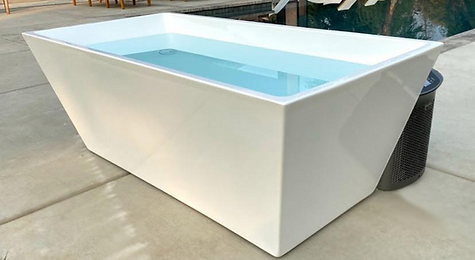
Our cold plunge uses a commercial-grade chiller system that maintains consistent water temperature. The water is continuously filtered and treated for cleanliness. A visible thermometer and timer help you track your progress. Private and semi-private options are available.
Learn more about our equipment.
Services That Pair With Cold Plunge
Infrared Sauna Austin: Contrast therapy—heat followed by cold—is perhaps the most powerful recovery protocol available. The dramatic temperature shift enhances circulation, accelerates recovery, and creates an unmatched sense of wellbeing. We recommend sauna first, then cold plunge.
Cryotherapy Austin: Cold plunge and cryotherapy offer different cold exposure experiences. Some clients prefer one, some prefer the other, and many use both for variety. Cryotherapy is faster (2-3 minutes) and uses cold air, while cold plunge involves full water immersion for a more intense experience.
Compression Therapy: After cold plunge, compression boots help restore circulation and move fluids. This combination accelerates the recovery benefits.
Cold Plunge FAQ
How cold is the cold plunge?
Our water temperature ranges from 38-55°F, adjustable based on your experience level. Beginners typically start around 50-55°F and work down as tolerance builds. Most experienced cold plungers settle around 38-45°F.
How long should I stay in a cold plunge?
Start with what you can handle—even 30 seconds provides benefit. Work up to 2-5 minutes over time. Research suggests 11 minutes of total weekly cold exposure delivers significant benefits, which could be five 2-minute sessions or two 5-minute sessions.
Is cold plunge the same as cryotherapy?
They're different cold exposure methods. Cryotherapy uses cold air in a chamber at -200°F to -300°F for 2-3 minutes. Cold plunge uses cold water at 38-55°F for 2-5 minutes with full-body immersion. Both reduce inflammation and boost mood, but the experience and intensity differ. Many clients enjoy both.
How often should I cold plunge?
2-4 sessions per week is optimal for most people. Some high performers go daily. The key is consistency—regular exposure builds resilience and maximizes benefits.
Can cold plunge help with anxiety?
Many clients report reduced anxiety with regular cold exposure. The practice trains your nervous system to manage acute stress, and the dopamine boost supports mood regulation. While not a replacement for medical treatment, cold plunge is a valuable tool for mental wellness.
Ready to Try Cold Plunge in Austin?
The cold is calling. Whether you're an athlete seeking recovery, a high performer optimizing your energy, or someone ready to build mental resilience, cold plunge delivers.


ICE BATH PARTYS AUR

